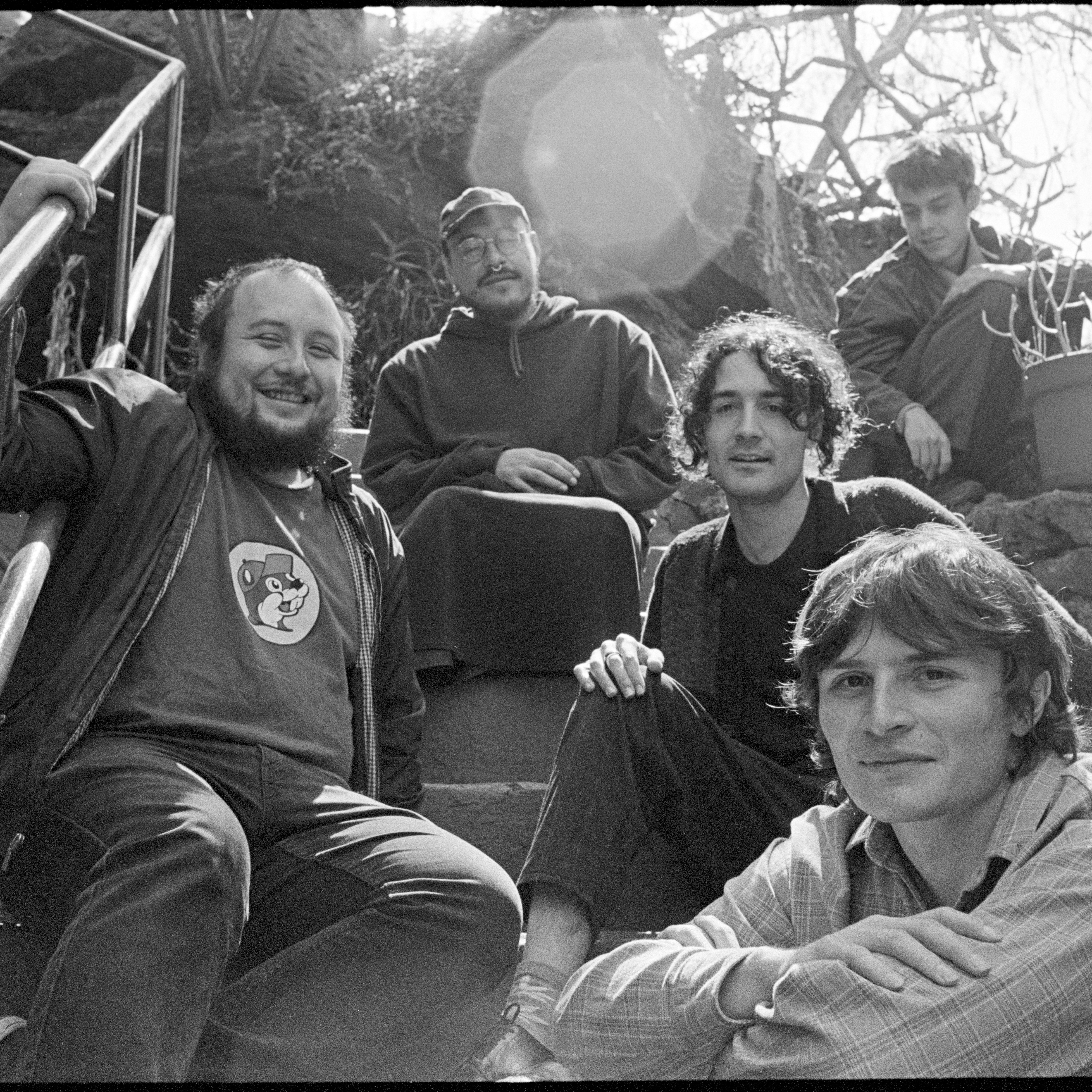
Diles Que No Me Maten
Mexico City art‑rock five‑piece Diles Que No Me Maten play material from their LP Escrito en Agua at Hi‑Dive
Diles que no me maten
Escrito en Agua LP
Moonlight Activities
For Diles que no me maten, every note is a small step into the unknown. The five-piece Mexico City band have always operated on a first-thought, best-thought basis, drawing on a jam-based, krautrock philosophy to craft intricate constructions of wiry art rock spiked with bluesy balladry and poetic mysticism. While their fourth album Escrito en Agua (Writ in Water) is their most consciously crafted and accessible to date, their founding principle of slow, wide-eyed exploration is alive and well.
Founded by brothers Raúl (drums) and Gerardo (guitar) Ponce in 2017 in a CDMX scene set to bubble over, Diles bonded over a shared improvisational language that grew more complex and fluid with each revelatory rehearsal and electric live performance. The fiery mix of raw elements that fueled their 2020 debut EP Cayó de su Gloria el Diablo and LP Edificio coalesced into solid-built but shapeshifting entities on their breakout album La Vida de Alguien Más and its free-flowing follow-up Obrigaggi. Together with the Ponces, Andrés Lupone (bass), Jerónimo Elizondo-García (guitar, clarinet), and Jonás Derbez (vocals, saxophone) have crafted a sound that’s as unpredictable as it is distinct.
In a makeshift studio space in their hometown’s Santa María La Ribera neighborhood, Diles created Escrito en Agua through a process of intense experimentation and refinement, guided gently by their longtime collaborator turned producer Sebastián Rojas. This setting gave these recordings a scrappy mutability; unencumbered by the hi-fi confines of an official studio, they were free to tinker with their unruly creations, breaking them down and reassembling their best parts in a way they’d never done before.
It’s evident from the opening notes of Escrito en Agua that Diles have entered a new chapter. Instrumental intro “Las Noches Que Dormimos en Sillas” was first conceived as a “Goth Duke Ellington arrangement” by Andrés before some technical malfunctions and a guest performance from legendary saxophonist Alain Derbez (Jonás’s father) led the band to realize the song would sound better an octave higher. Thus, its lugubrious tones became less moody and more spiritual. They leaned in, injecting elements of funerary music from Oaxaca’s Sierra Mixe that elevate the song far beyond its playful original premise. The track sets the tone for an album that, while possessing no airs of religiosity, is as transcendent as gospel.
This aura is put into words on lead single “Hiriku,” which finds Jonás interpreting José Vincente Anaya’s epic poetic vision quest Híkuri (Peyote) over frenetic krautrock instrumentation. “La mitad que soy no existe, y la mitad que existe no soy,” he repeats with mantra-esque calm in the song’s second half. This egocidal phrase, ripped directly from the poem, is a gauntlet of sorts; leave your prev
Aussi au Hi-Dive
12
Ak'chamel with Munly & The Lupercalians (Low Tickets)

Modern Leisure + Angel Band + Caspar Milquetoast

Suicide Cages + Church Fire + Seam Ripper + F-ether

Kontusion + Ukko's Hammer + Rotting Earth

Dustbowl Champion + Computer Kill + Night Ritualz

Bleakheart + Spiritual Poison + Mournful Ruin + El Welk

Shwarma + Witch Bitch + Night Fishing + Icarus

Sugar Candy Mountain + Wave Decay + Amlamas

The Body + Big Brave + Many Blessings + Fainting Dreams

Valley Fever + Rowboat + A Strange Happening

Johnny Dynamite + Tassles + Porcelain Horses + KYC DJs